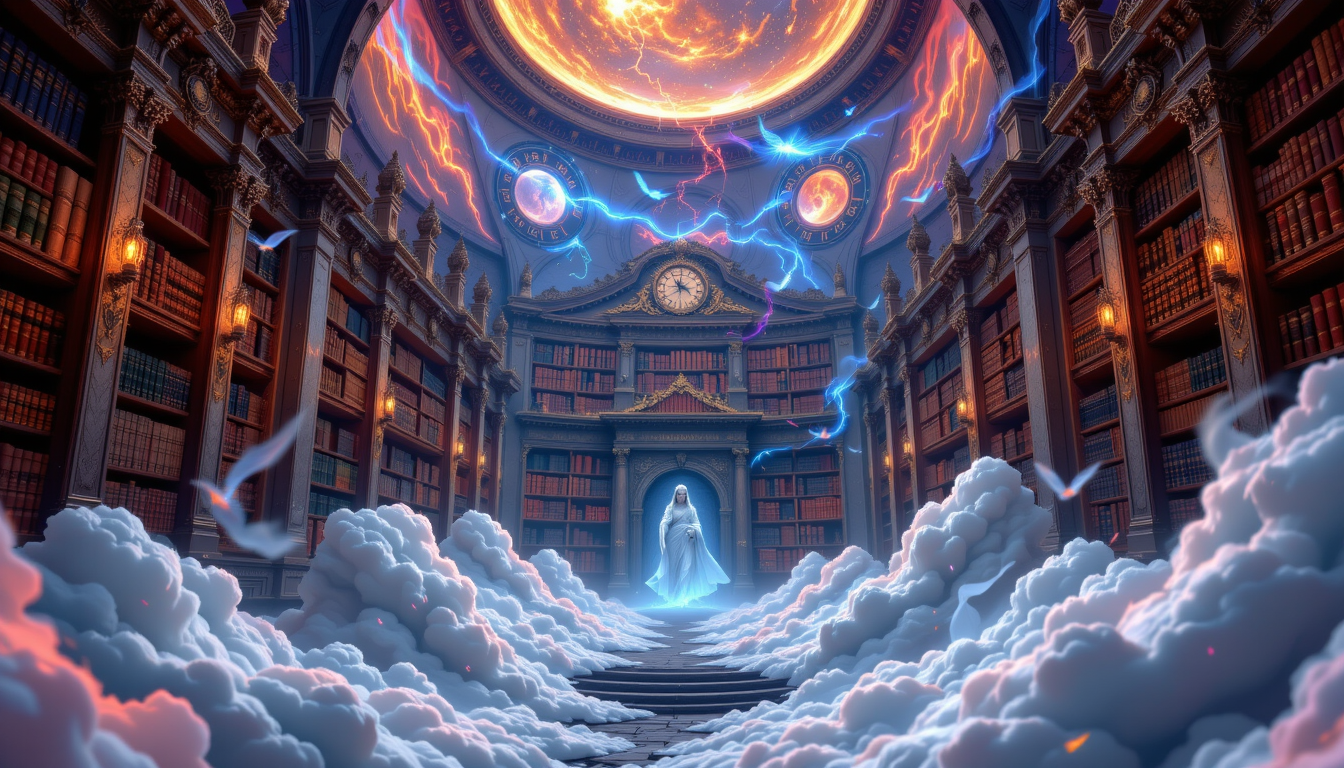
Across cultures and centuries, human beings have pondered the mystery of suffering, punishment, and justice beyond the visible world. Ancient stories speak of demons who drag the wicked into realms of torment. Buddhist teaching, however, invites us to look beyond mere mythology. In the Dhamma, hell (Niraya) and its terrifying guardians are not simply frightful legends. They are living symbols—and, in a profound sense, actual states of existence—reflecting the law of kamma (karma): the natural principle that every intentional action brings results according to its quality.
This article explores the Buddhist understanding of hell and the beings who guard it, showing how these images point to an unbreakable truth: no one can escape the consequences of their own deeds. By examining scriptural sources, psychological insights, and practical guidance, we can learn to free ourselves from the inner “demons” long before death.
1. The Nature of Kamma: Cause and Effect Without Escape
The Buddha declared that all beings are “owners of their kamma, heirs of their kamma, born of their kamma, related to their kamma, and abide supported by their kamma.” This is not a threat but a description of reality. Every thought, word, and action plants a seed that will ripen in due time.
Good kamma—actions rooted in generosity, compassion, and wisdom—brings pleasant results. Unwholesome kamma—rooted in greed, hatred, and delusion—ripens as suffering. There is no external judge; the process is as natural as a seed sprouting when conditions are right.
Yet because we are often blind to the workings of cause and effect, the results can feel sudden and mysterious. When a person experiences great misfortune, they may cry, “Why me?” In truth, the causes were planted long ago, perhaps many lifetimes past.
This principle of inevitable fruition is the foundation for understanding the Buddhist hell realms. They are not eternal punishments decreed by a god but temporary states into which beings are drawn by the magnet of their own unwholesome deeds.
2. Hell in the Buddhist Cosmology
The Pali Canon describes numerous realms of existence—heavenly, human, animal, ghostly, and hellish. Among them, the niraya or hell realms are the most dreadful. Suttas such as the Devaduta Sutta paint vivid pictures: rivers of fire, iron cauldrons, fields of thorns, and endless darkness.
While these descriptions can be read literally, many teachers emphasize their symbolic meaning. Whether one believes in an actual place beneath the earth or sees these as metaphors for mental agony, the message is the same: actions of intense hatred, cruelty, and violence inevitably bring immense suffering.
Hell is not eternal. When the force of unwholesome kamma is exhausted, the being is reborn elsewhere. But the duration can be inconceivably long, and the torment unimaginably intense. The Buddha compared the lifespan of some hells to the time it would take for a mountain of iron to wear away if brushed once every hundred years with a soft cloth.
3. The Demons and Guardians of Hell
In Buddhist texts, the guardians of hell—often called Yama’s servants or fierce yakkhas—are terrifying beings who inflict the consequences of one’s deeds. They carry weapons of fire, chains, and whips; they drag beings to judgment before King Yama, the lord of death.
But the Buddha made it clear: these guardians are not independent agents of cruelty. They are embodiments of kamma itself. They appear because the mind that has indulged in violence and hatred is ripe to encounter them. In other words, the “demon” is one’s own unwholesome mind-stream.
Consider how, even in this life, anger can feel like being possessed. When hatred fills the heart, the face twists, the body burns, and one acts in ways later regretted. In those moments, the “demon” is already here. Hell is not far away; it is a mental state manifesting through the body and speech.
4. Psychological Parallels: The Inner Hell
Modern psychology echoes these ancient insights. Trauma, addiction, obsessive guilt, and chronic rage can create private hells where the mind is tortured day and night. People speak of being “haunted by demons,” meaning overwhelming impulses or memories they cannot control.
These inner demons are not supernatural. They are powerful habits of thought and emotion. Yet they can cause suffering as intense as any mythical punishment. Buddhist meditation offers a direct path to recognize and liberate these forces.
Mindfulness reveals that painful mental states are impermanent and not-self. By observing them without clinging or aversion, we weaken their hold. The “guardians of hell” lose their power when we see them as mere phenomena, empty of a permanent essence.
5. Stories of Kamma’s Inescapability
Throughout Buddhist literature, we find stories illustrating that no one escapes the results of their actions.
- Angulimala, a murderer of many, encountered the Buddha and attained enlightenment. Yet even as an arahant he still experienced physical pain from stones thrown by villagers—residual results of his past violence.
- King Ajatasattu, who killed his own father, sought the Buddha’s counsel and gained insight, but the texts say he later suffered a painful rebirth.
These narratives show both the strictness and the compassion of the Dhamma. Bad deeds bear fruit, but the mind can be purified here and now. Through sincere practice, we can prevent new unwholesome kamma and gradually exhaust the old.
6. Freedom Through Understanding
If hell and demons are the natural guardians of kamma, how can we avoid them? The Buddha offered a clear path:
- Right View: Understand cause and effect. See that actions rooted in greed, hatred, and delusion inevitably lead to suffering.
- Right Intention: Cultivate renunciation, goodwill, and harmlessness.
- Ethical Conduct: Practice the five precepts—refraining from killing, stealing, sexual misconduct, false speech, and intoxicants.
- Mental Discipline: Develop mindfulness and concentration to see reality clearly.
- Wisdom: Realize impermanence (anicca), unsatisfactoriness (dukkha), and non-self (anatta).
When these qualities grow, the seeds of hell cannot sprout. The inner demons starve for lack of fuel.
7. Compassion for Those in Hell
An important teaching of Mahayana Buddhism is the Bodhisattva ideal: great beings who vow to descend even into hell realms to help suffering beings. The image reminds us to cultivate compassion for all, even those who seem beyond hope.
In daily life, we meet people trapped in anger, addiction, or violence. Instead of condemning them as demons, we can see them as beings lost in a temporary hell. Through patience and loving-kindness, we may help them glimpse a path to freedom.
8. Living Without Fear
Some might hear these teachings and feel dread. But the Buddha’s purpose was never to terrify. He sought to awaken. Fear of punishment can initially restrain harmful acts, but wisdom goes further. When we understand that wholesome actions naturally bring peace, we practice goodness out of joy, not fear.
The real demon is ignorance. The real prison is craving. Hell is not a distant pit of fire but the suffering born of unawakened mind. Seeing this truth, we walk the path of liberation with confidence.
Conclusion
“Hells and demons, guardians of inevitable kamma”—these are not ancient fairy tales but profound mirrors of human experience. They remind us that every action matters, that our minds create our worlds, and that freedom is possible when we understand the law of cause and effect.
By living with mindfulness, compassion, and wisdom, we need not fear any demon, whether inner or outer. The fire of hatred dies out; the chains of craving loosen; the gate of hell stands open, unguarded, when there is no one left to punish.
May all beings see clearly, act wisely, and walk the path beyond suffering.