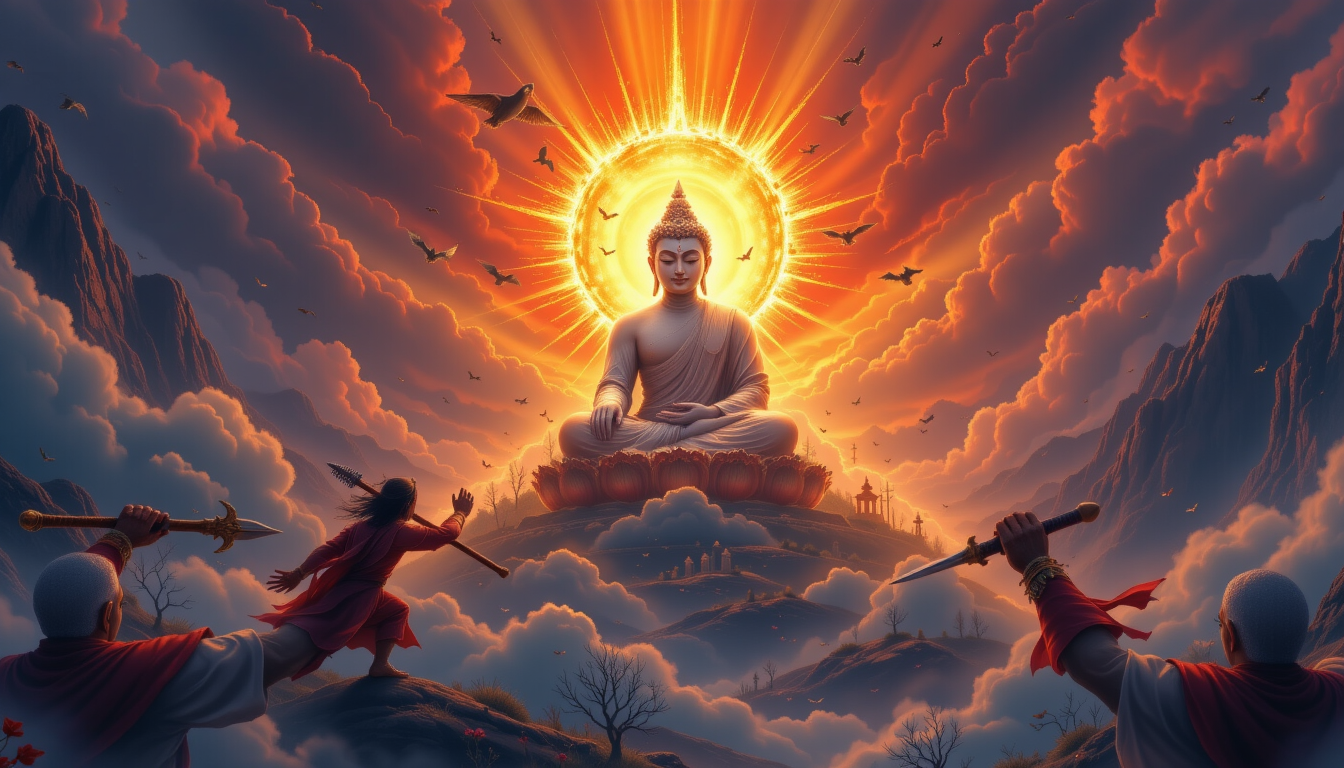
Death is one of the most powerful truths in Buddhism. The Buddha often reminded his disciples: “Death is certain, but the time of death is uncertain.” This simple statement holds profound meaning, shaping the Buddhist view of life, impermanence, and spiritual practice. Understanding what “death is uncertain” means can help us live with greater awareness, peace, and compassion.
The Buddhist Teaching of Impermanence (Anicca)
At the core of Buddhism lies the truth of impermanence (anicca). All things—our bodies, emotions, relationships, wealth, and even our thoughts—are constantly changing. Nothing lasts forever. Death is the final expression of impermanence in the human body.
- We know we will die, but not when.
- Life can end at any moment.
- Uncertainty is the very nature of existence.
This uncertainty is not meant to create fear. Instead, it is meant to awaken mindfulness. When we realize that we do not control the time of death, we learn to value every moment.
Why Did the Buddha Emphasize Death’s Uncertainty?
- To break complacency.
Many people live as though they will never die. The Buddha taught that remembering the uncertainty of death keeps us from wasting life in laziness or harmful actions. - To encourage mindfulness.
If death could come today, we should use today wisely. We practice mindfulness (sati) to be fully present and awake in every breath. - To inspire compassion.
When we remember that everyone is subject to sudden death, we naturally soften our hearts. We treat others with kindness because tomorrow is never guaranteed. - To motivate practice.
In Buddhist tradition, spiritual practice should not be delayed. If death is uncertain, the best time to cultivate virtue, meditation, and wisdom is now.
Maranānussati – Mindfulness of Death
The Pali Canon records the Buddha instructing his disciples to contemplate death regularly. This practice is called maranānussati, or “recollection of death.” It is not morbid. Instead, it is a tool to sharpen awareness.
- Daily reflection: Remind yourself that today could be your last day.
- Breath by breath: Each inhalation and exhalation may be the final one.
- Balanced perspective: Accept death’s certainty without fear, using it as motivation to live meaningfully.
By reflecting on death’s uncertainty, practitioners gain urgency in cultivating wholesome qualities—generosity, compassion, wisdom, and peace.
The Practical Meaning for Our Daily Lives
So what does “death is uncertain” mean for us today?
- Live with gratitude. Every day is a gift. Instead of focusing on what we lack, we learn to appreciate the life we already have.
- Do not postpone goodness. If you have kindness to give, give it today. If you need to forgive someone, forgive now.
- Simplify your worries. Many of our stresses—money, status, pride—lose importance when we remember that life can end at any time.
- Invest in spiritual practice. Whether through meditation, prayer, or acts of compassion, make every day a step toward inner peace.
A Universal Truth Beyond Religion
Though this teaching comes from the Buddha, the truth of death’s uncertainty is universal. No science, philosophy, or belief system can deny that death comes without schedule. This realization unites humanity. We are equal in the face of death—rich or poor, young or old, powerful or powerless.
Conclusion: Turning Fear into Wisdom
When the Buddha said “death is uncertain,” he was not pointing to fear, but to freedom. Freedom comes when we stop clinging to permanence. Instead of resisting reality, we embrace it. This transforms how we live.
- Death’s uncertainty teaches us urgency.
- Impermanence teaches us non-attachment.
- Mindfulness of death teaches us compassion and clarity.
In the Buddhist path, remembering death does not make life darker—it makes it brighter. Because death is uncertain, life is precious.