In Buddhist cosmology, life does not end with death. Instead, existence continues in cycles of birth, death, and rebirth, known as samsara. Among the many realms of rebirth described in the teachings of the Buddha, the Deva realm (the heavenly worlds) holds a special fascination. To be born as a Deva means to enjoy a celestial existence filled with radiance, beauty, and bliss beyond human imagination. Yet, Buddhism also reminds us that even the life of a Deva is impermanent and conditioned by past actions (karma).
Who are the Devas?
The term Deva is often translated as “heavenly being,” “shining one,” or “godlike being.” They are not creators of the universe, nor are they eternal beings. Instead, Devas are living beings subject to karma and rebirth, just like humans, animals, and other realms of existence. What distinguishes them is the purity of their past actions and the accumulation of great merit, which allows them to be reborn in a celestial realm after death.
The Conditions for Rebirth as a Deva
According to the Buddha’s teachings, rebirth as a Deva arises from wholesome deeds and the cultivation of virtues. Among the most important causes are:
- Generosity (dāna): Devas are often reborn due to acts of great generosity. Offering alms, supporting monks, helping the poor, and giving without expecting anything in return are considered powerful seeds for heavenly rebirth.
- Morality (sīla): Observing the Five Precepts — refraining from killing, stealing, sexual misconduct, false speech, and intoxication — lays the foundation for a higher rebirth. A life rooted in virtue is a step toward the Deva world.
- Meditation and Mental Purity (bhāvanā): Those who cultivate concentration, loving-kindness, and compassion develop a radiant mind. This purity of consciousness can lift one’s rebirth to the celestial realms.
- Faith (saddhā): Confidence in the Triple Gem — the Buddha, the Dhamma, and the Sangha — supports wholesome actions and helps generate the merit that leads to heavenly existence.
The Joys of the Deva Realm
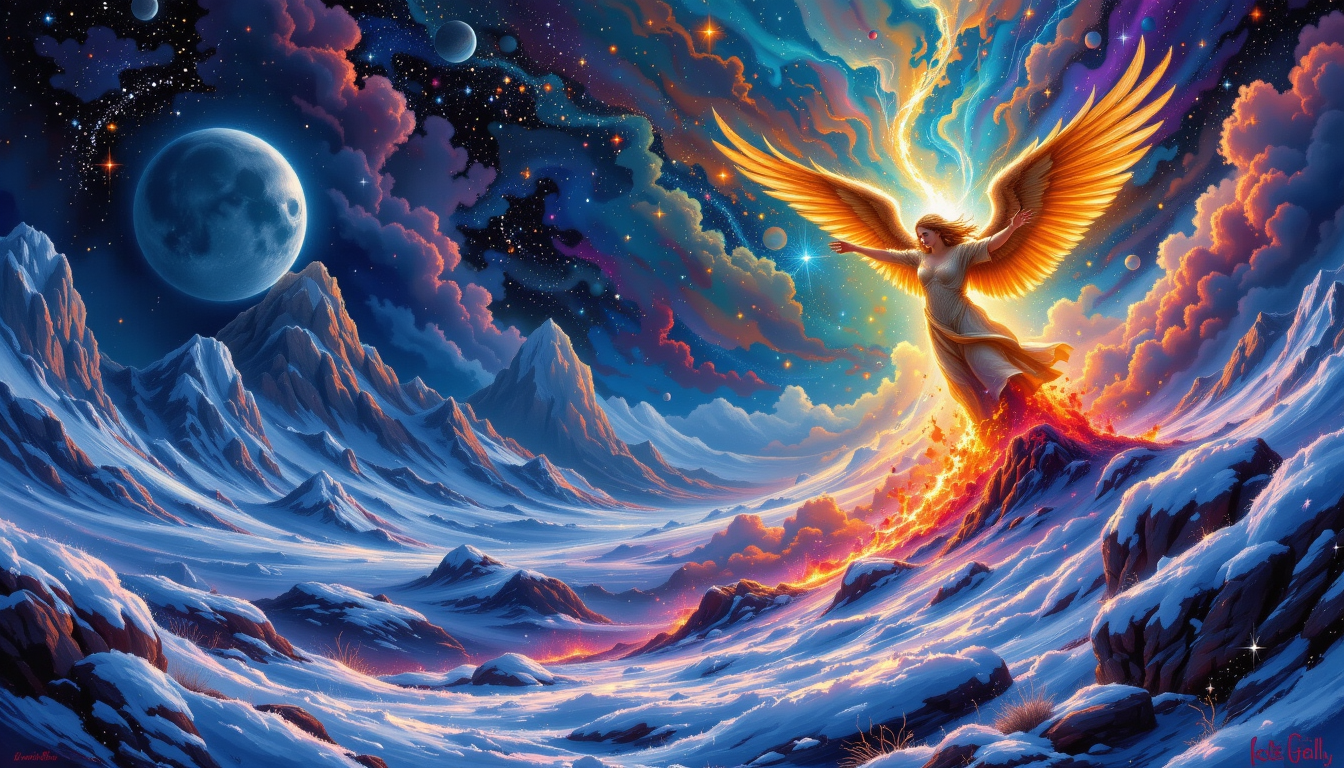
Life as a Deva is described as blissful, abundant, and free from the ordinary suffering of humans. Devas possess radiant bodies, enjoy celestial music, and live in magnificent heavenly palaces. Time passes differently in the Deva realms — what seems like a day to a Deva may be centuries for humans.
Yet, despite this glory, Devas are still bound by impermanence. Their lifespan, though vast compared to human life, eventually comes to an end. When their accumulated merit is exhausted, they must be reborn again, possibly in lower realms if no further merit has been cultivated.
The Limitation of Heavenly Rebirth
While rebirth as a Deva is desirable, the Buddha warned that it is not the ultimate goal. Even the highest heavenly beings must eventually fall from their realms. Unlike humans, Devas may lack the urgency to practice the Dhamma, because their existence is filled with pleasure and distractions.
Therefore, while Buddhism encourages merit-making that can lead to heavenly rebirth, it also reminds us that the highest goal is Nibbāna — liberation from all forms of existence. In this sense, being born as a human is considered more advantageous for spiritual progress, as humans experience both suffering and joy, giving them a stronger motivation to seek the path of enlightenment.
Reflection
The teaching about Devas reminds us that actions have consequences. Generosity, morality, and meditation not only bring peace in this life but also create conditions for a fortunate rebirth. At the same time, Buddhism encourages us not to be complacent with the idea of heaven but to strive for wisdom and liberation beyond all realms of rebirth.