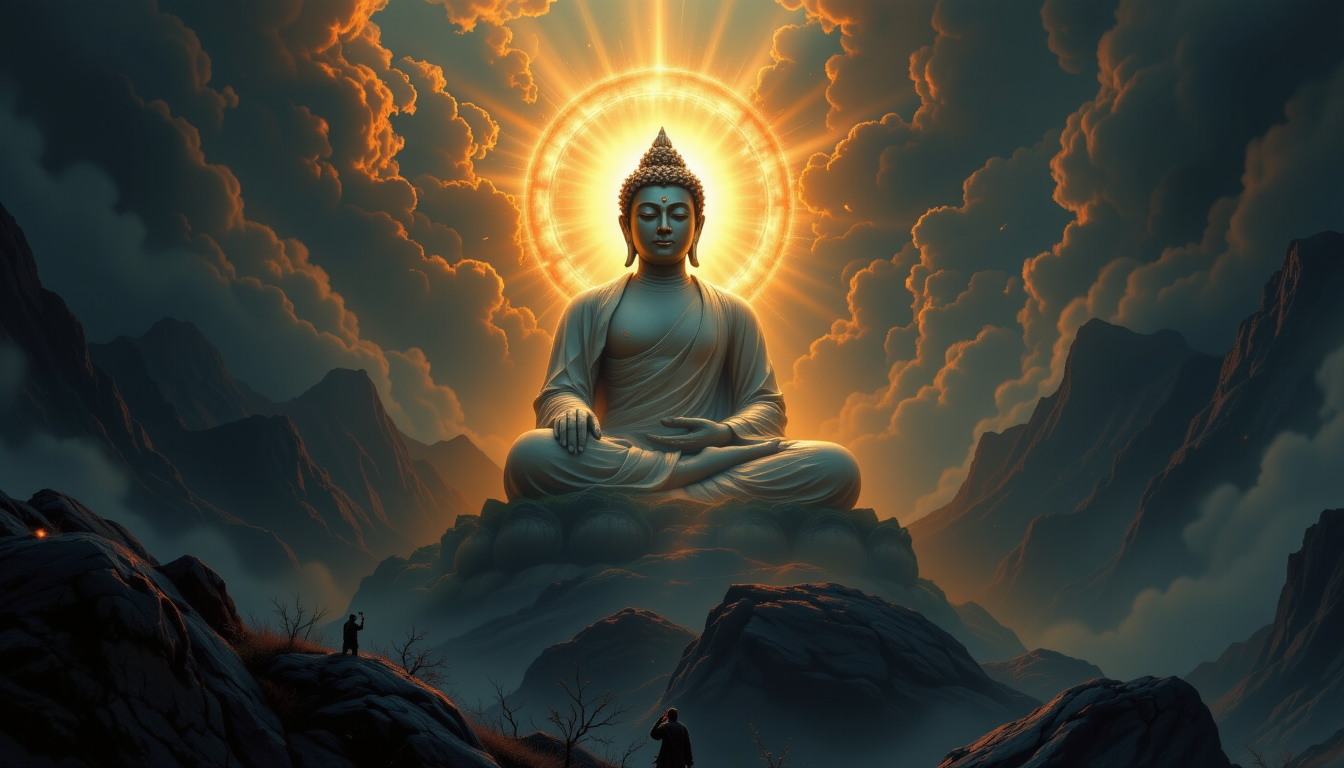
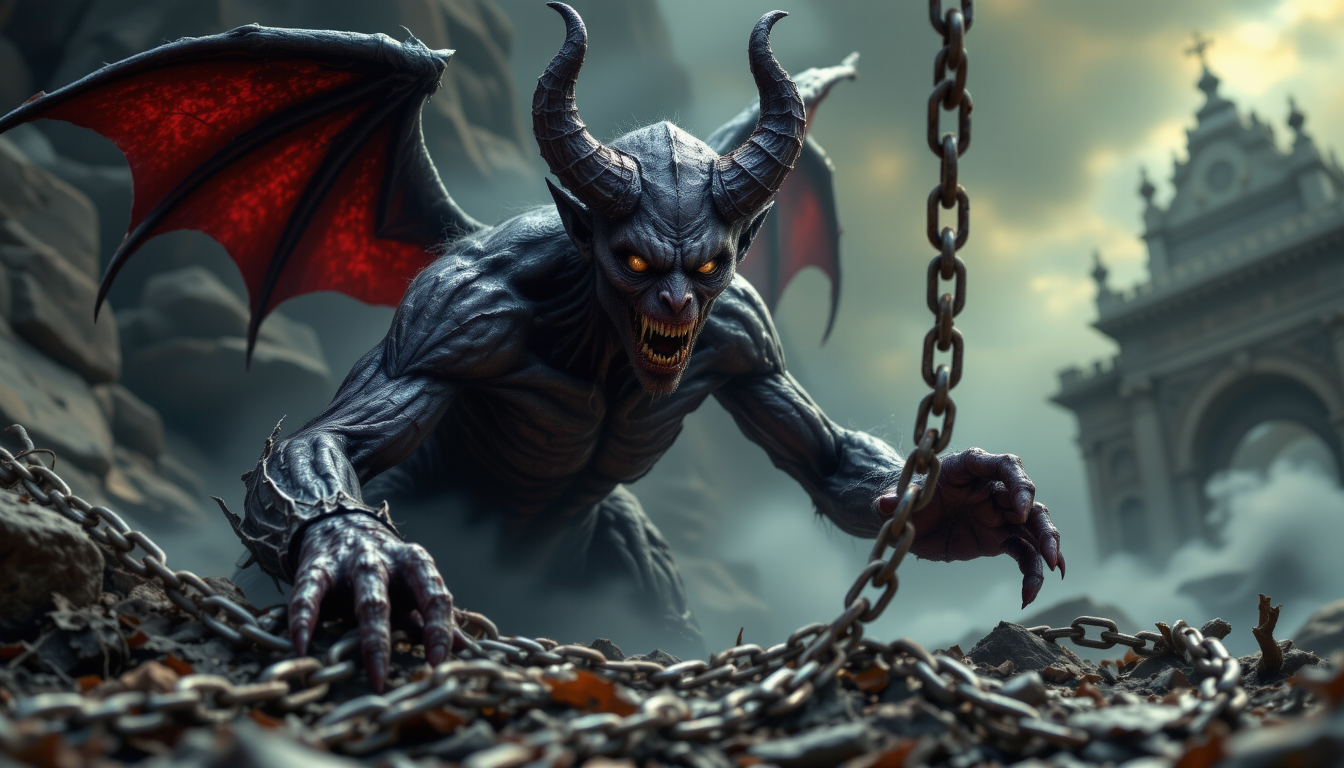
Buddhism offers a profound and systematic view of the universe, not merely as a physical space, but as a vast cosmological structure shaped by karma (actions) and mental states. According to the Buddhist teachings, all beings are born into one of 31 realms of existence, also known as the 31 planes of samsara. These realms represent the full spectrum of conditions where beings can be reborn, from the deepest suffering in hells to the highest bliss of celestial worlds.
Understanding these realms is not only a matter of metaphysics, but also a way to reflect on impermanence, the law of karma, and the ultimate goal of liberation (Nibbāna), which transcends all these states.
The Three Major Divisions of Existence
The 31 realms are categorized into three broad spheres:
- Kāmadhātu (Sensual Realm) – Realms dominated by sensual desire.
- Rūpadhātu (Form Realm) – Realms of refined form, transcending gross sensuality, attained through deep meditation (jhāna).
- Arūpadhātu (Formless Realm) – Realms of pure mental existence, beyond material form, attained through formless meditations.
1. The Sensual Realm
This is the realm most familiar to us, where beings experience pleasure and pain through the five senses. It includes both fortunate and unfortunate rebirths:
The Four Woeful States
- Niraya (Hell realms) – Realms of intense suffering, caused by severe unwholesome karma.
- Tiracchānayoni (Animal realm) – Beings driven by instinct, ignorance, and survival.
- Pettivisaya (Hungry ghost realm) – Ghosts and spirits suffering from insatiable hunger and thirst.
- Asurakāya (Asura realm) – Titans or demons, consumed by jealousy and endless conflict.
The Human Realm:
- Manussa (Human world) – A rare and precious rebirth, balancing suffering and happiness, offering the best conditions to practice Dhamma.
The Six Heavenly Realms of Sensual Desire (Deva worlds):
- Cātummahārājika (Realm of the Four Great Kings) – Guardians of the world, protecting humans and celestial beings.
- Tāvatiṃsa (Heaven of the Thirty-Three) – Ruled by Sakka (Indra), filled with celestial joy and merit.
- Yāma Heaven – Blissful deities free from worldly conflicts.
- Tusita Heaven – The joyful realm of future Buddhas; Bodhisatta Metteyya (Maitreya) awaits rebirth here.
- Nimmānaratī Heaven – Deities who delight in creating their own pleasures.
- Paranimmita-vasavatti Heaven – Deities who enjoy pleasures created by others; Māra resides here, tempting beings away from liberation.
2. The Form Realm (Rūpadhātu)
These realms are subtler and free from coarse sensual desire. They are attained by beings who cultivate jhāna meditation. The Form Realm consists of 16 planes, grouped according to the four stages of meditative absorption:
First Jhāna Heavens
- Brahma-pārisajja (Brahma’s Retinue)
- Brahma-purohita (Brahma’s Ministers)
- Mahā-brahmā (Great Brahmas)
Second Jhāna Heavens
- Parittābha (Limited Light)
- Appamānābha (Measureless Light)
- Ābhassara (Radiant Beings)
Third Jhāna Heavens
- Paritta-subha (Limited Glory)
- Appamāna-subha (Measureless Glory)
- Subhakiṇṇa (Resplendent Glory)
Fourth Jhāna Heavens:
- Vehapphala (Very Fruitful)
- Asaññasatta (Unconscious Beings)
- Suddhāvāsa (Pure Abodes, reserved for non-returners – anāgāmī):
- Aviha
- Atappa
- Sudassa
- Sudassī
- Akanittha
3. The Formless Realm (Arūpadhātu)
The highest planes of samsaric existence, these are immaterial realms accessible only through the deepest formless meditations (arūpa-jhāna). They are purely mental states without physical form. There are four planes:
- Ākāsānañcāyatana (Infinity of Space)
- Viññāṇañcāyatana (Infinity of Consciousness)
- Ākiñcaññāyatana (Realm of Nothingness)
- Nevasaññānāsaññāyatana (Neither-Perception-Nor-Non-Perception)
4. The Complete Structure
When summarized, the 31 planes of existence are:
- 11 Sensual Realms (Hells, animals, ghosts, demons, humans, sensual heavens)
- 16 Form Realms (Brahma worlds, meditative heavens)
- 4 Formless Realms (Immaterial planes of pure mind)
This structure reflects the Buddhist view that life is far more vast than the human experience. The universe is an endless cycle of rebirths, conditioned by karma.
The Meaning Behind the 31 Realms
The purpose of learning about these realms is not for curiosity alone, but for wisdom and practice. Each realm shows the results of karma:
- Unwholesome actions lead to lower realms.
- Wholesome actions bring higher realms.
- Meditation and insight lead beyond the cycle.
Even the highest heavens are still impermanent, bound by birth and death. Only Nibbāna, the cessation of craving and ignorance, transcends all 31 realms.
The Buddhist cosmology of the 31 realms is both vast and meaningful. It teaches us that existence is shaped by karma, and that true happiness does not lie in seeking sensual pleasure or celestial bliss, but in liberation. By reflecting on these realms, we cultivate mindfulness, moral discipline, and meditation, guiding ourselves toward the path of enlightenment.