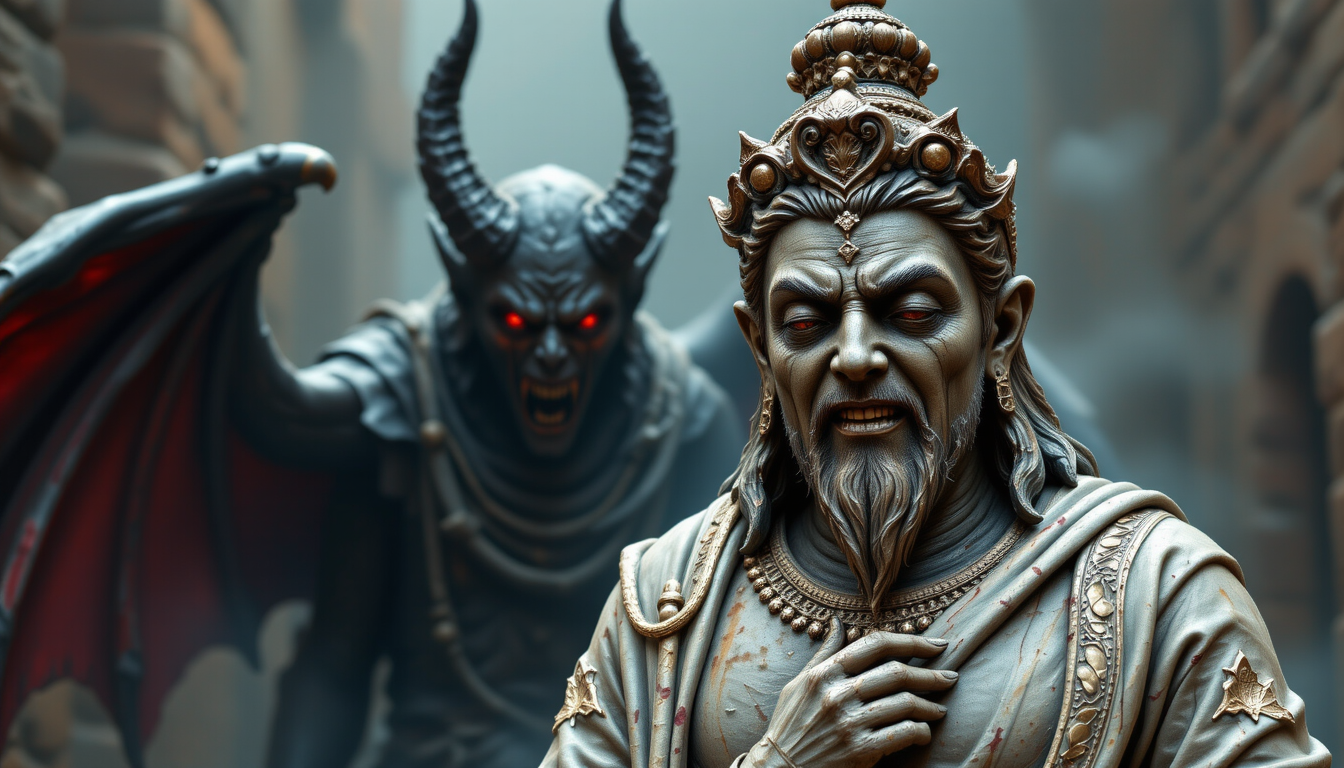
One of the most profound questions that human beings ask is: What happens after death? Different cultures and religions give different answers, but in Buddhism the teaching is clear — life does not end with death. Instead, consciousness continues, conditioned by karma, and it can lead us to different realms of existence. Among these realms, heaven (Deva worlds) is often spoken of as a place of bliss, merit, and temporary happiness. But what does it really mean to “go to heaven”? And what must one do in order to be reborn there?
This article explores the Buddhist perspective on death, heaven, karma, and the afterlife. It is written in simple but deep language for anyone who is curious about the spiritual journey beyond this life.
The Buddhist View of Death and Rebirth
According to the Buddha, existence is not limited to one life. Each being is trapped in samsara, the endless cycle of birth, death, and rebirth. The destination after death depends on one’s karma (actions) — wholesome deeds lead to fortunate rebirths, while unwholesome deeds lead to suffering realms.
The Buddha described 31 planes of existence, from hellish realms of extreme pain to heavenly worlds of pleasure and subtle joy. Human beings live in the middle realm, where both suffering and happiness exist. Because of this balance, the human world is considered the best place to practice Dhamma, accumulate merit, and prepare for a higher rebirth — or even liberation.
What Is Heaven in Buddhism?
In Buddhism, “heaven” is not a single eternal paradise, but rather many heavenly planes inhabited by beings called Devas and Brahmas. These beings enjoy incredible beauty, long lifespans, and great happiness.
There are:
- Six Deva realms (Kāmāvacara) — where beings still enjoy sensual pleasures like music, beauty, and comfort.
- Higher Brahma realms (Rūpāvacara and Arūpāvacara) — where beings live with refined meditation states, free from coarse desires.
Unlike eternal heaven in some religions, Buddhist heavens are impermanent. Eventually, even heavenly beings exhaust their merit and fall back into other realms. This is why the Buddha encouraged striving not only for heaven, but for Nibbāna (the end of rebirth itself).
How to Be Reborn in Heaven
The Buddha taught that good karma leads to fortunate rebirths, including heaven. Here are some practices that directly support a heavenly rebirth:
- Generosity (Dāna) – Giving with a pure heart creates powerful merit. Donating to monks, helping the poor, or supporting community welfare are all acts that uplift one’s future.
- Morality (Sīla) – Living a life of virtue — avoiding killing, stealing, lying, sexual misconduct, and intoxication — is essential for heavenly rebirth.
- Meditation (Bhāvanā) – Training the mind in mindfulness and concentration leads to inner peace and higher realms. Those who attain deep meditative absorption (jhāna) may be reborn in higher Brahma worlds.
- Faith and Devotion – Respecting the Buddha, Dhamma, and Sangha with sincerity helps plant seeds of merit.
- Compassion and Loving-kindness (Mettā) – Spreading goodwill toward all beings creates radiant karma that leads to a bright rebirth.
Death as a Spiritual Transition
When death arrives, the state of mind in the last moments is extremely important. A peaceful, wholesome, and mindful mind can direct consciousness toward a heavenly rebirth. This is why Buddhists often chant, meditate, and encourage dying people to focus on the Buddha, on virtue, and on letting go.
For example, in the Sañjīva Sutta, the Buddha explained that even a person who has lived with kindness and generosity but dies with anger may lose the chance of a heavenly rebirth. Likewise, someone who recalls their good deeds at the time of death may be lifted toward heaven.
Is Heaven the Final Goal?
While heaven is a desirable state, Buddhism reminds us that it is not permanent. Even Devas eventually die, and when their karma is exhausted, they may fall into lower realms again. The ultimate goal is liberation — Nibbāna, where suffering and rebirth end completely.
The Buddha’s teaching is compassionate: he did not discourage people from aspiring to heaven, but he reminded them that true peace lies beyond heaven and hell.
So, can we go to heaven after death? Yes — according to Buddhism, those who cultivate merit, live with compassion, and maintain a pure mind are likely to be reborn in heavenly realms. But heaven is not the end of the journey. It is only a temporary stop in the vast cycle of samsara. The greatest blessing is to use this human life to walk the path of Dhamma, purify the mind, and ultimately attain freedom beyond all realms.
Heaven is real